In today’s fast moving product data world, choosing between Open Source vs Closed Source PIM systems is very important.
It directly affects how you manage, update, and share product information across channels.
A good Product Information Management helps you keep product data clean, consistent, and ready for eCommerce, marketplaces, and retail platforms.
Most businesses choose between two main types:
- Open source PIM solutions
- Closed source PIM solutions
Both options work well, but they serve different business needs.
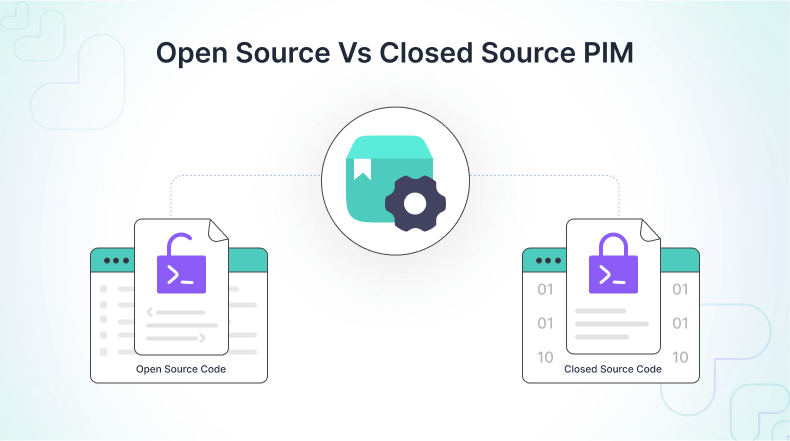
This guide will assist you in exploring these options to find out which PIM solution fits your needs the best.
Types of PIM Solutions
PIM systems help businesses organize product data in one place.
They also distribute it across multiple sales channels.
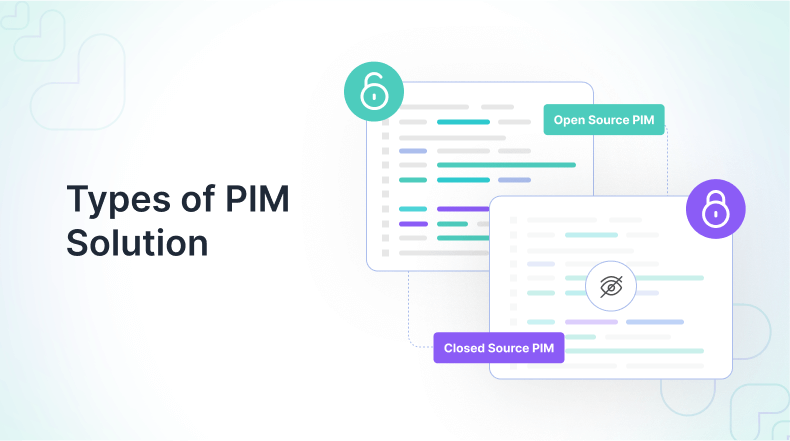
The main difference is control and flexibility.
Open Source PIM Solutions
Open source PIM systems give access to the source code.
This allows full customization based on business needs.
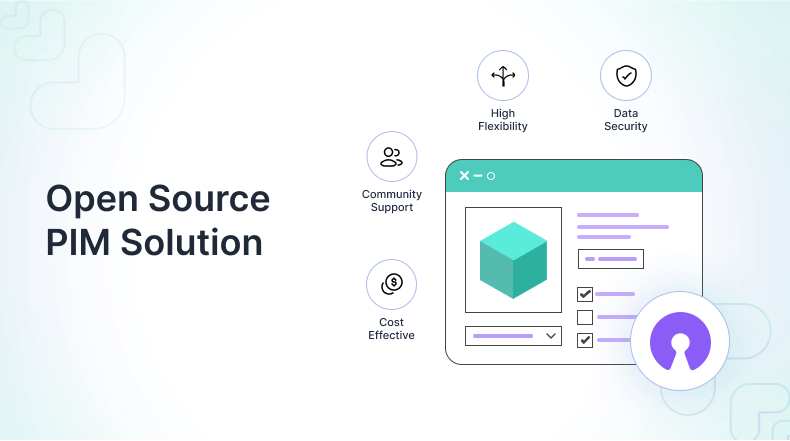
They are often built and improved by developer communities.
Advantages of Open Source PIM
- High flexibility and full customization
- No licensing cost at the start
- Strong community support and updates
- Easy to adapt for unique workflows
Drawbacks of Open Source PIM
- Needs technical expertise to manage
- Support depends on the community or paid services
- Updates or changes may affect system stability
Closed Source PIM Solutions
Closed Source PIM systems are built and managed by a software company.
The source code is not publicly available.
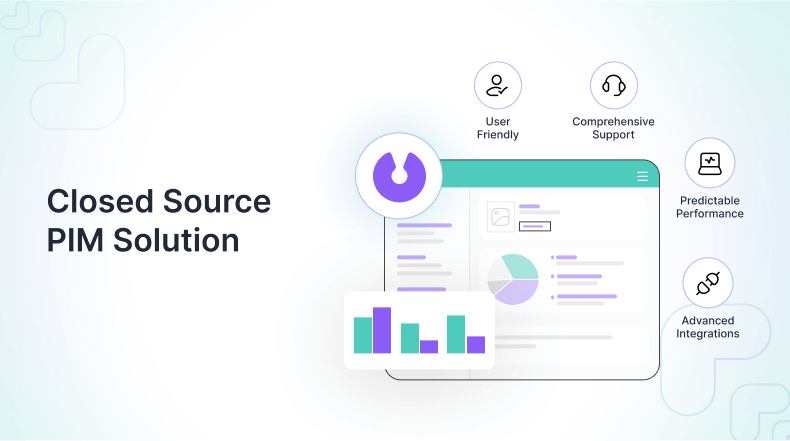
These systems focus on ease of use and structured support.
Benefits of Closed Source PIM
- Professional support and regular updates
- Stable performance with fewer technical issues
Challenges of Closed Source PIM
- Higher licensing and subscription cost
- Limited customization options
- Dependency on the vendor for features and fixes
Open Source vs Closed Source PIM: Key Differences
| Open Source PIM | Closed Source PIM |
| Low initial cost but higher development effort | Higher licensing and subscription cost |
| Fully flexible and highly customizable | Limited customization options |
| Requires technical setup and configuration | Easy setup with guided onboarding |
| Community-based or third-party support | Dedicated vendor support |
| Full control over system and code | Controlled by software provider |
| Depends on implementation quality for stability | Highly stable and tested system |
| Managed internally or by developers | Managed by vendor with regular updates |
Key Factors to Consider Before Choosing a PIM
1. Budget
Open source saves money.
Closed source has predictable pricing.
2. Technical Skills
Open source needs developers.
Closed source is easier for non-technical teams, but they are higher in cost.
3. Scalability
Check if the system can grow with your product data.
4. Business Needs
Choose flexibility or simplicity based on your workflow.
5. Support Requirements
Decide between community help and professional support.
Examples of Open Source and Closed Source PIM Systems
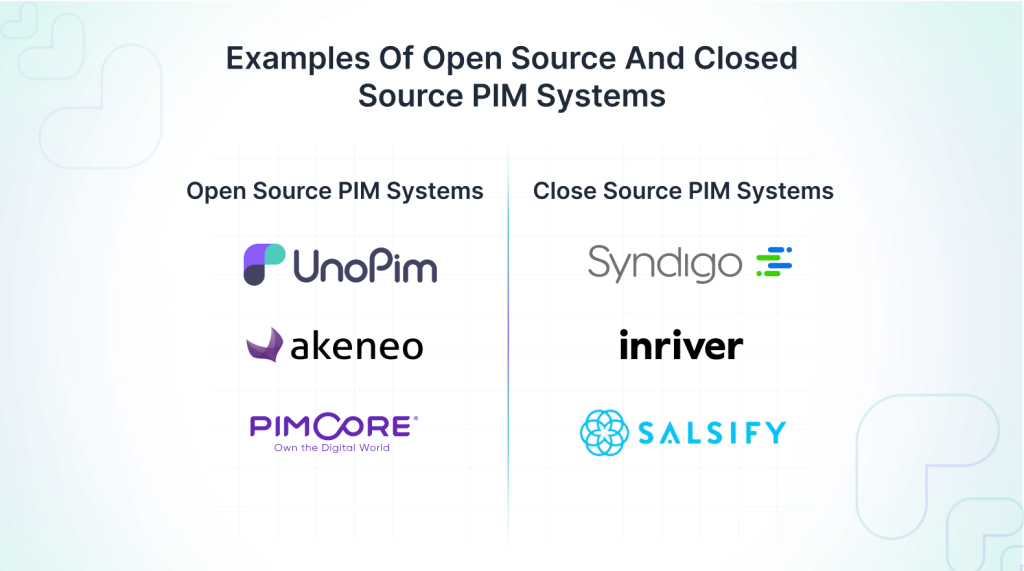
Here are examples of open source and closed source Product Information Management (PIM) systems:
Open Source PIM
- Akeneo: An open source PIM tool that manages product data, supports translation, and improves collaboration
- UnoPIM: A free open source platform combining PIM, AI features, and content tools for managing complex data.
- Pimcore: An all-in-one platform combining PIM, DAM, and CMS to manage complex data and support large business needs.
Closed Source PIM
- Syndigo: A closed source PIM solution designed for big companies to manage and share product information across channels.
- InRiver: A proprietary PIM platform that helps manage product data across channels, with a strong focus on marketing and sales.
- Salsify: A PIM tool that helps brands organize product information and improve customer experience across platforms.
When choosing between open source and closed source PIM solutions, consider your business needs, budget, and technical skills.
Open source PIM systems offer more flexibility and can reduce costs, but they require technical knowledge for setup and maintenance.
On the other hand, closed source PIM systems are easier to use and come with strong vendor support, but they usually involve higher costs.
If you want to explore options, you can check the list of top 5 open source PIM solutions for better understanding.
If you face any issues, you can raise a ticket through our Support Portal for help.


Be the first to comment.